
Why It’s Not Just About What You Want to Grow—It’s About What Wants to Grow With You
Hold on! Here’s the thing. If you’ve ever found yourself in a garden center in early spring, cart full of a variety of gorgeous annuals and a vision of color splashed across your porch, you’re not alone. Every year, as the chill of winter recedes and the promise of new beginnings unfold, I too am hopeful that this will finally be the summer I grow all my favorite flowers. Each year, I have looked through gardening magazines, marked pages and made lists of the plans I have for my gardens, baskets, and pots.
Yet, many springs later, hands in the dirt and heart invested, I’ve learned one of gardening’s hardest and most beautiful lessons: you can’t always plant what you love. You have to plant flowers that love your space.
Dreams vs. Dirt—Reality and Lessons
There’s a real disappointment in seeing favorite plants fail. By late summer it seemed like so many of my plants looked tired and defeated, Their stems would be thin and scraggly, their leaves droop no matter how much water, and the blooms, if there are any left, are sparse and lackluster, Instead of thriving, they seem to be hanging on, more disappointing than delightful. It’s clear they were never meant for this spot, struggling against conditions that simply don’t suit them. Gardening is about working with your conditions, not against them. Over time, I stopped focusing only on my personal favorites and started choosing plants that actually grew well in my garden. Seeing healthy, thriving plants was more rewarding than struggling with ones that didn’t fit. Letting go of some beloved but unsuitable plants made room for others that were better suited to my garden’s conditions. Gardening is more successful and satisfying when you match your plant choices to your environment. Learning to adapt makes for a healthier, more beautiful garden—and a lot less frustration.
The Takeaway
Every spring, as I walk the aisles of the garden center, I still feel the old thrill of possibility. But now, I look at each flower with a question: Will you love my space as much as I love you? It’s a different kind of romance one built on mutual affection and respect. Sometimes, the answer is no, and I move on, content to find a plant that says yes.
In the end, a garden is most beautiful when it’s filled with flowers that feel at home. When we stop trying to force our favorite blooms to bend to our will and instead welcome those that thrive naturally, we discover a more enduring joy.
So, hold on! Here’s the thing: gardening, like life, is about finding what loves you back. And when your garden loves where it’s planted, it will reward you with beauty beyond your wildest springtime dreams.
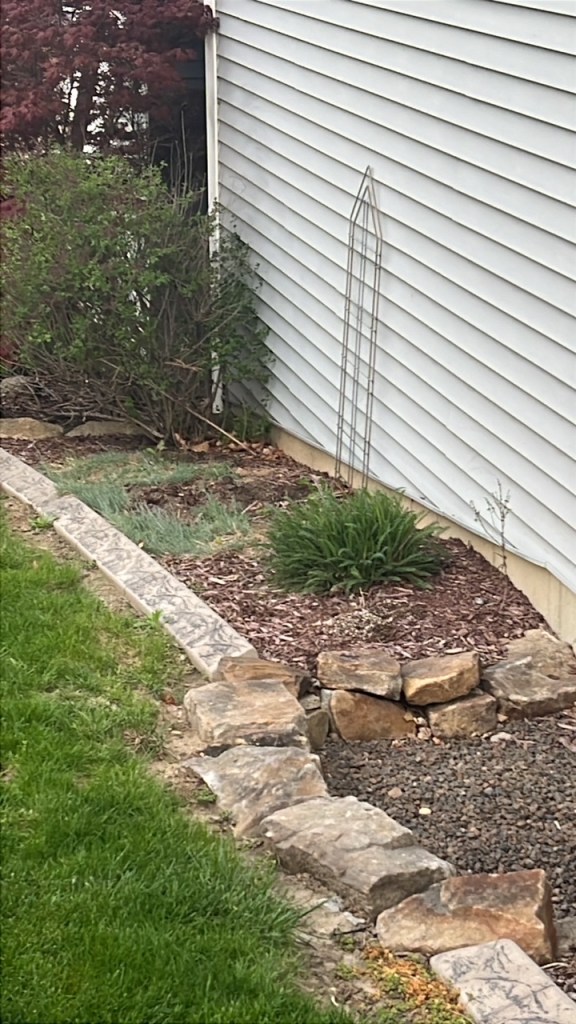
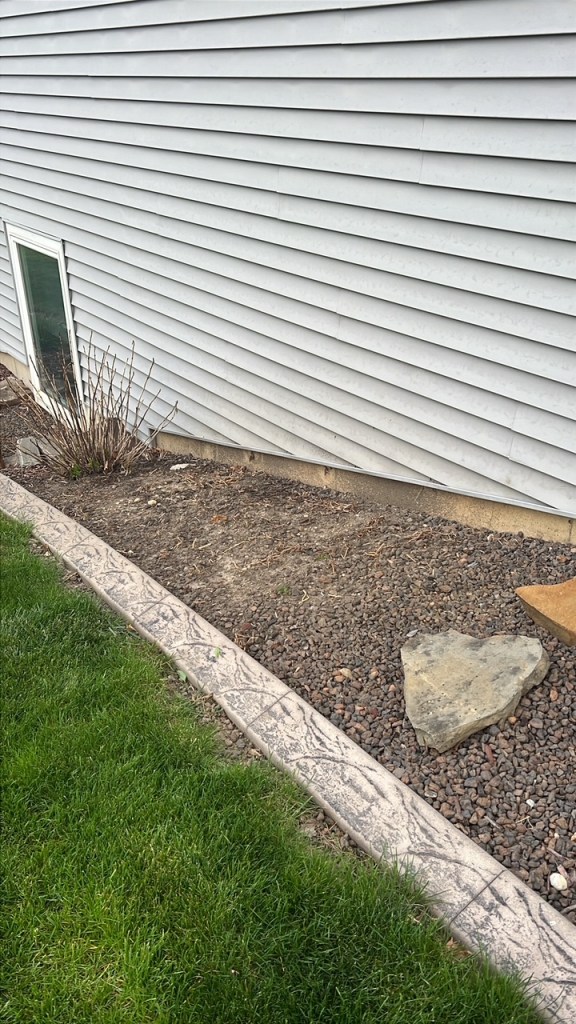
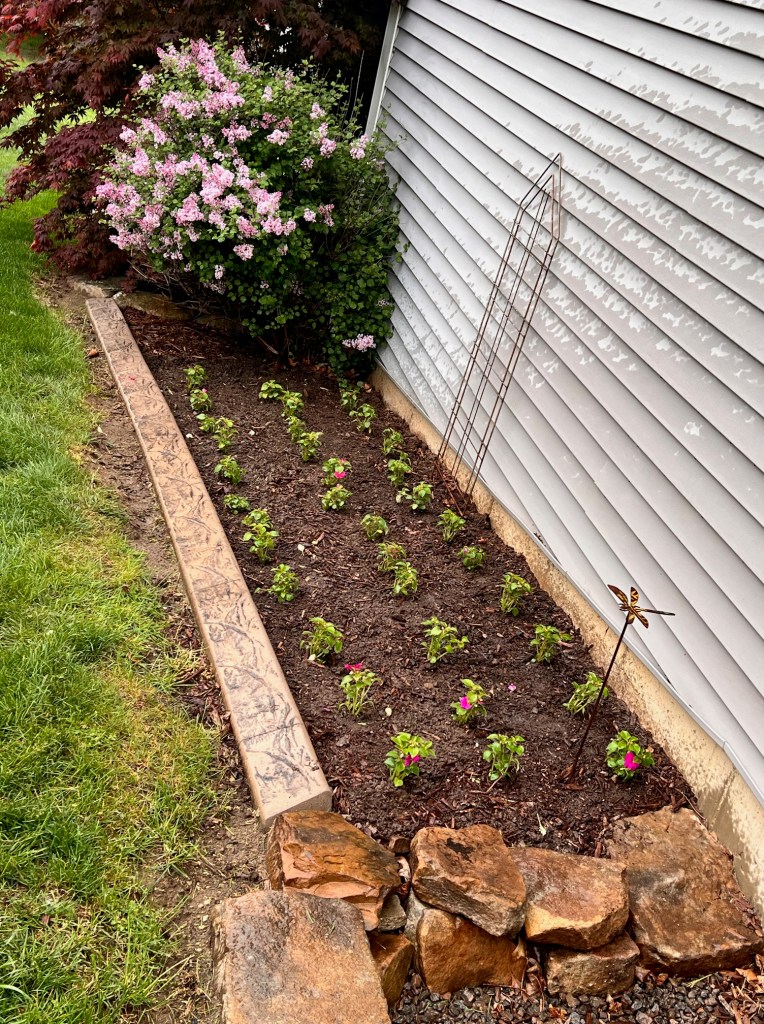
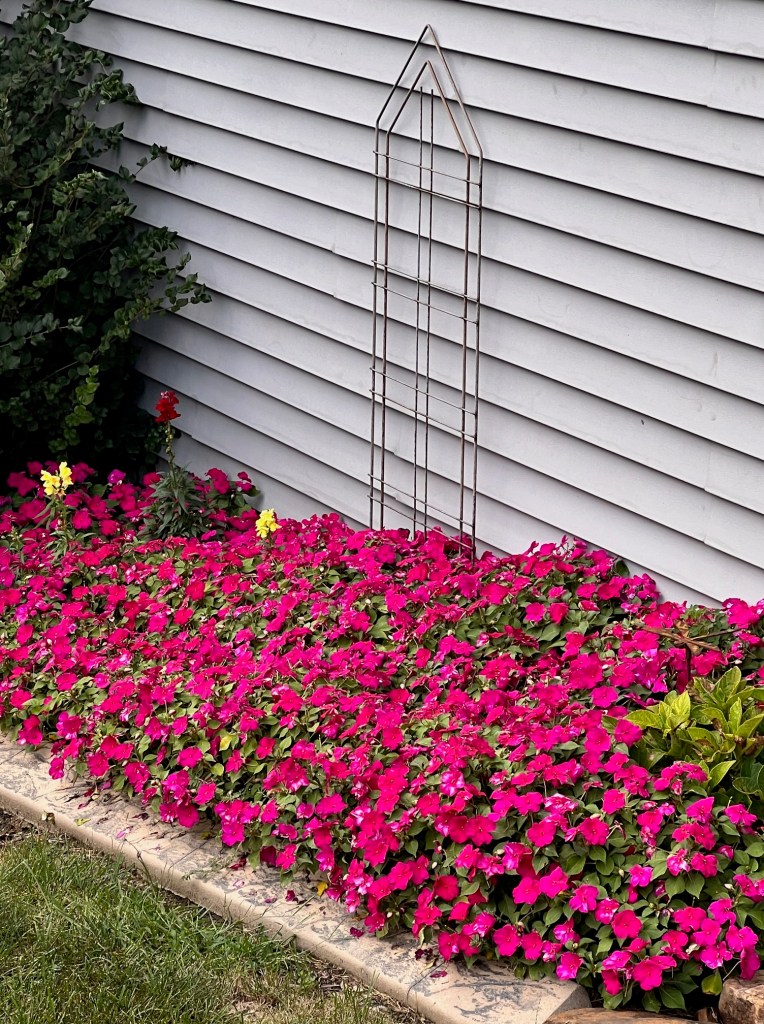
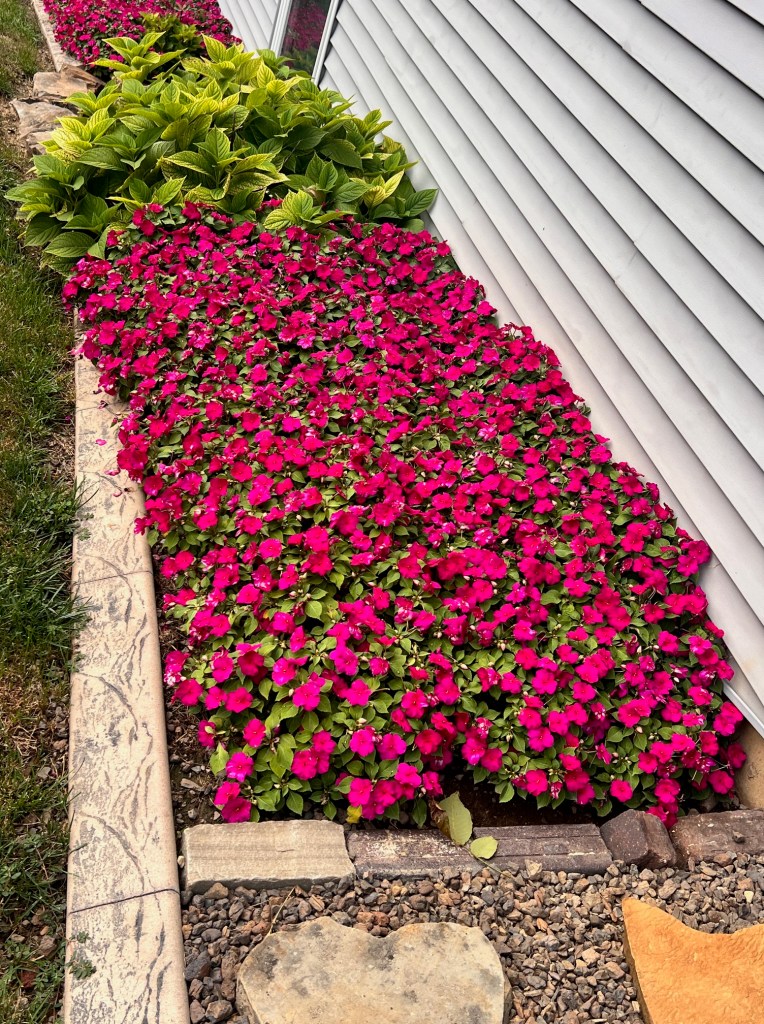
The following pictures reveal how I changed the landscape beds on the side of my house. Inpatients are NOT a flower I love, but they love this space, so I have learned to appreciate their beauty.


 holdonheresthething.com
Leave a comment